
Tips for Traveling Safely with your Pet

ADMIN
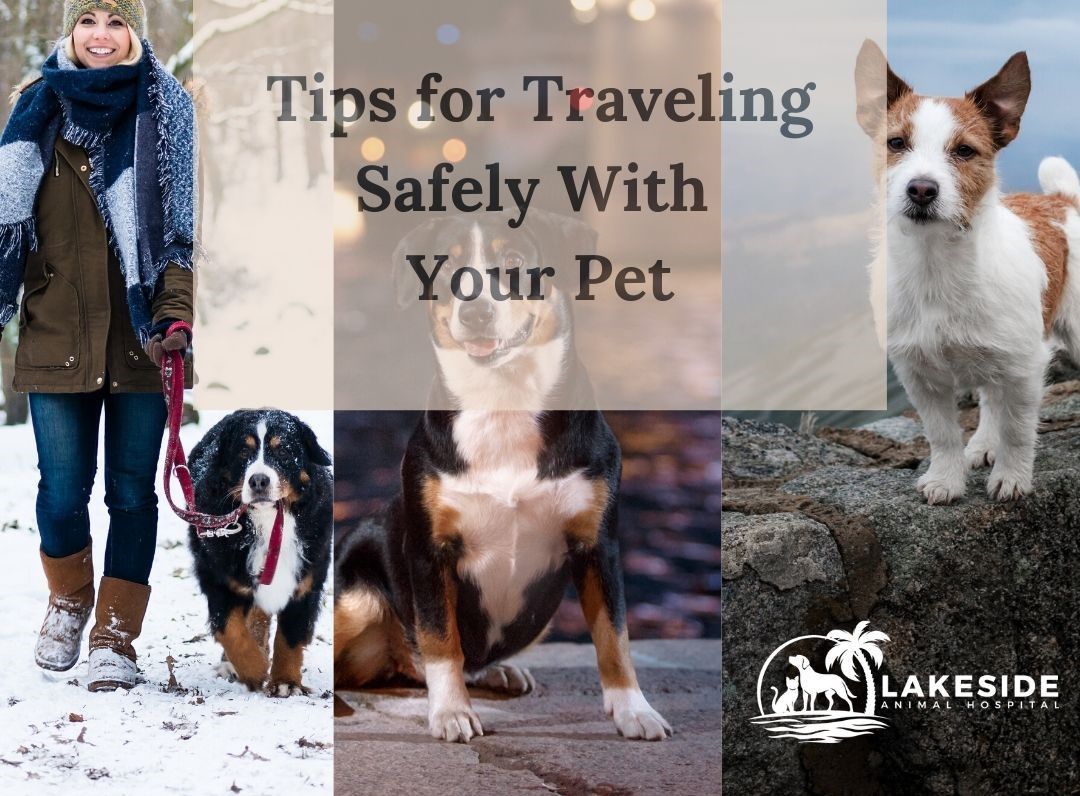
Travel ing with your pet can be highly stressful for some pets but exciting for others, especially when  travel ing during a pandemic. Make sure you know your pet will enjoy themselves before investing and adding them to your  travel  plans. Your best bet is to test it out before investing! Take a mini car trip to a dog-friendly area and watch your pet closely. Is your dog’s tail wagging or tucked under showing signs of fear? Other signs of fear and stress are drooling, hiding, ears pinned back, and upset stomach, to name a few.

Remember, no matter where you are headed or how you plan on  travel ing, make sure your pet has proper identification like a collar with an identification tag and/or a microchip. Your pet’s identification tag on their collar should include their name, your phone number, and any other relevant contact information. A microchip is a small chip the size of a grain of rice that is implanted by a veterinary professional under your pet’s skin between the shoulder blades.

Safe Travel

If your pet loves  travel ing as much as we do, here are a few helpful tips from the ASPCA to help keep everyone safe and happy during your  travel s.

Travel ing by plane?

  • If your pet isn’t small enough to fit under your seat it may not be worth taking the risks and flying them cargo.
  • Book a direct flight whenever possible. This avoids from your pet having to stay on the tarmac or baggage area for prolonged amounts of time.
  • Make an appointment with your pet’s veterinarian for a checkup before your trip. Make sure your pet’s vaccinations are up-to-date and obtain a health certificate from your veterinarian within 10 days of  travel. Check the vaccine requirements to the areas you are flying and make sure to get all the required testing and vaccines. Talk to your veterinarian about ways to keep your pet comfortable and anxious-free during the flight.
  • Purchase a USDA-approved shipping crate and label it with the proper identification. The crate should be large enough for your pet to stand, sit, and turn around in comfortably and lined with some type of bedding. Tape a small bag of your pet’s food to the outside of the kennel for the airline personnel to give during a layover or if your pet gets hungry.  The night before you leave, in a small dish, freeze some water for your pet.  This way, it can’t spill during loading and will melt by the time he or she is thirsty.

Taking a Road Trip?

  • Prep your pet for a long trip. Test it out before by going on short trips and slowly increase the duration of the trips to make sure your pet finds being in a car for long hours enjoyable.
  • Keep your pet safe and secure in a crate. Your pet should be able to stand, sit, lie down, and turn around in the crate. Secure the crate in your car to keep everyone safe in the event of an abrupt stop.
  • Prep a pet-friendly  travel  kit.  Visit our blog  on Pet Preparedness and tips on putting together a  travel / emergency kit.
  • Never leave your animal alone in a parked vehicle. Even a car with the windows down can become a furnace in no time and causing heatstroke. In the winter, a cold car can become a refrigerator.
Contact us at Lakeside Animal Hospital with questions or for more information on traveling with your pet.
Senior dog resting calmly during cognitive dysfunction evaluation at home
by Dr. Jennifer Frione, DVM • 25 September 2026
How do vets confirm canine cognitive dysfunction? Learn what the diagnostic process actually involves for senior dogs.
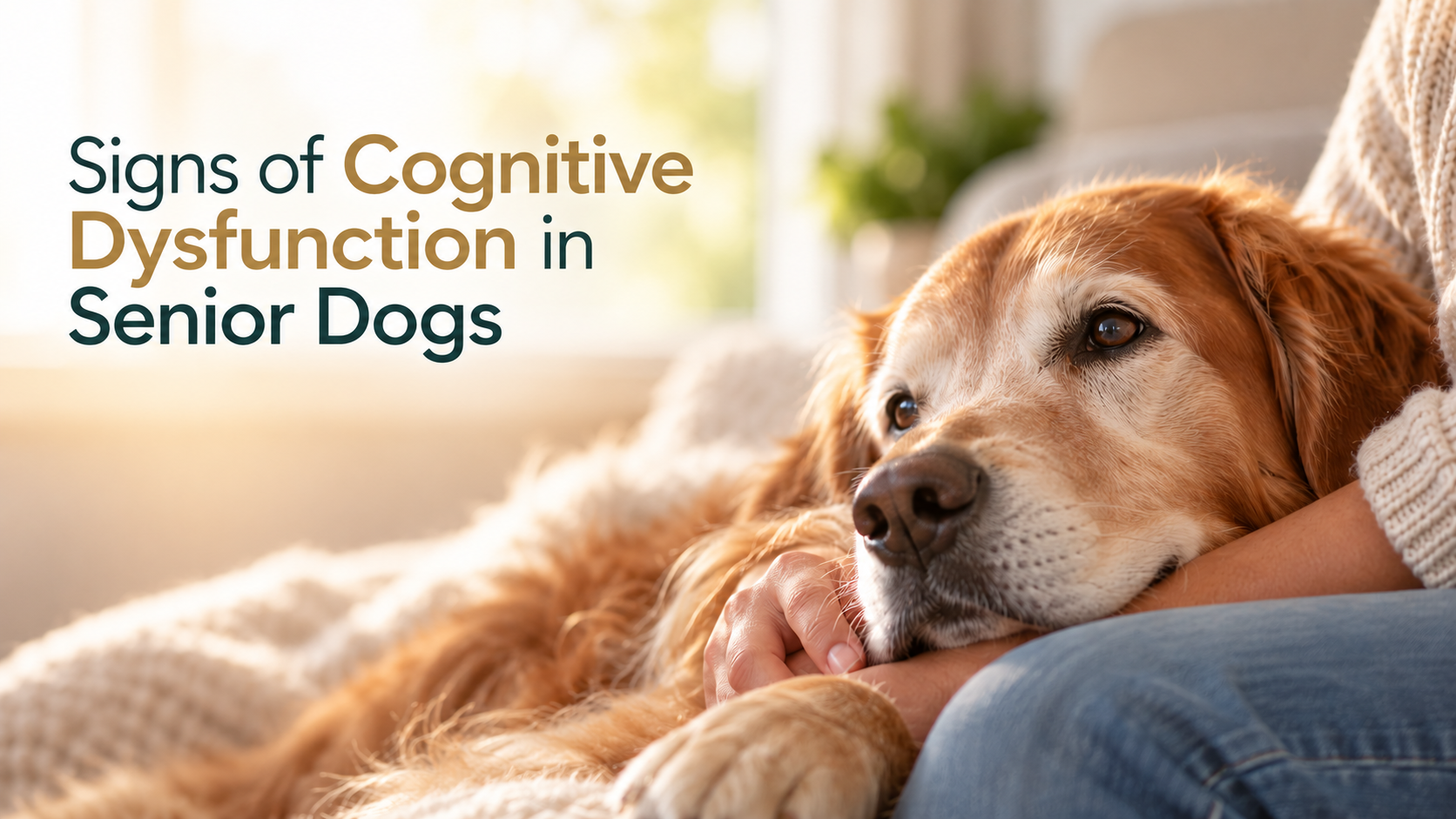
Senior dog resting calmly, cognitive dysfunction care in Plantation FL
by Dr. Jennifer Frione, DVM • 23 September 2026
Signs and treatment options for canine cognitive dysfunction in senior dogs. Learn how Lakeside Animal Hospital in Plantation, FL can help.
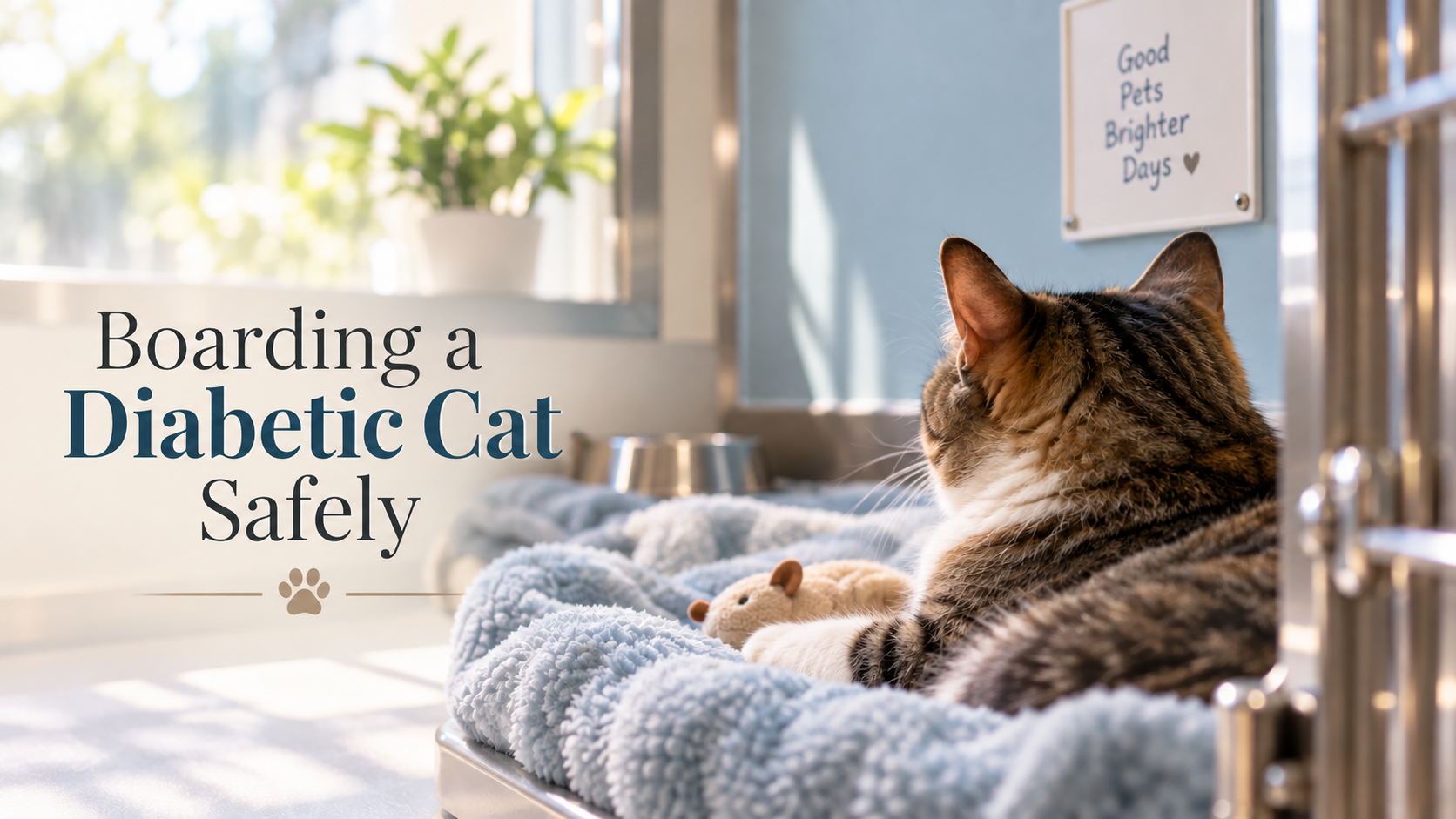
Cat resting calmly in a clinical boarding space for diabetic care
by Dr. Jennifer Frione, DVM • 18 September 2026
Is a standard boarding kennel safe for a diabetic cat? Here's what to know before booking a stay.
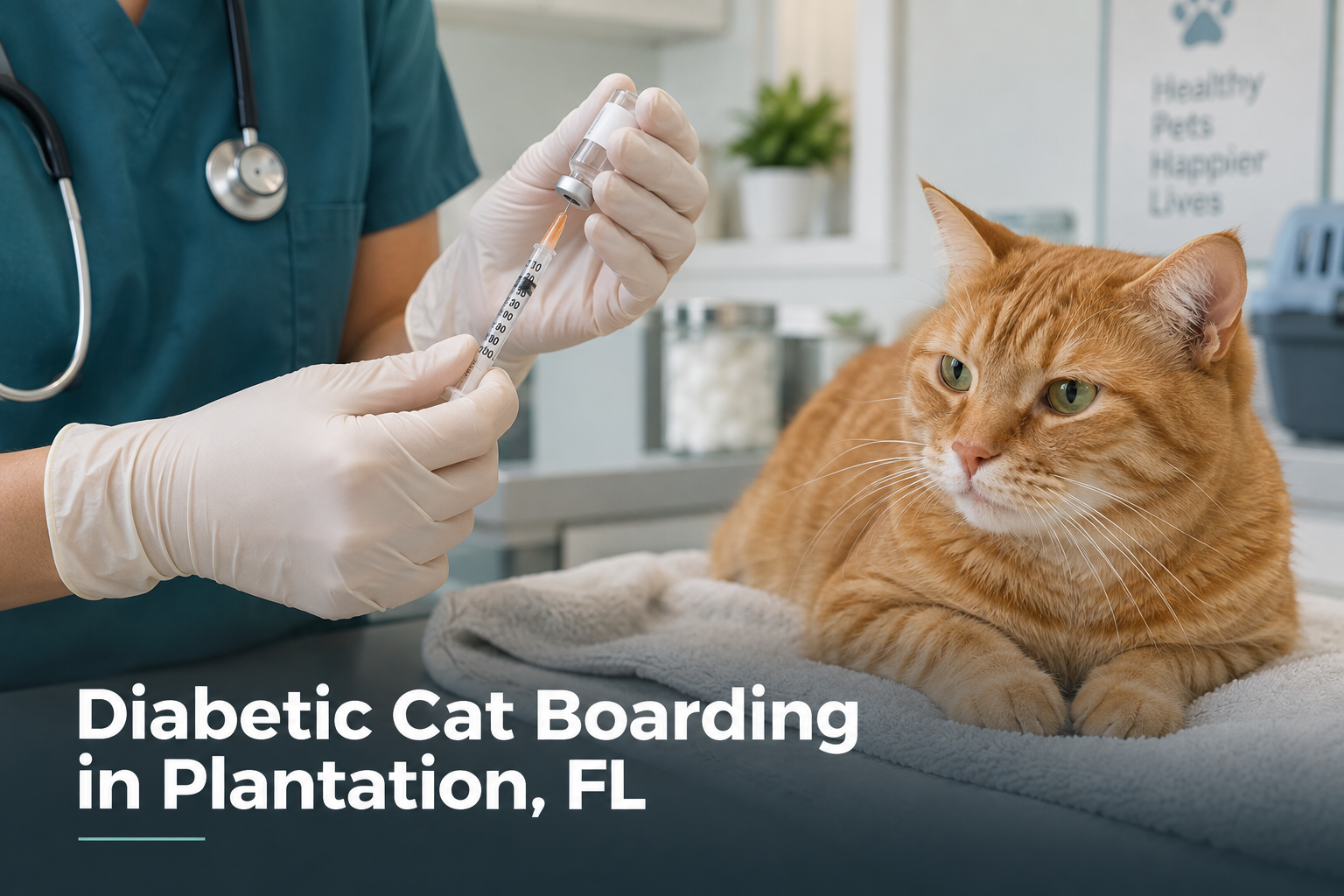
Veterinary technician preparing insulin injection for diabetic cat boarding in Plantation
by Dr. Jennifer Frione, DVM • 17 September 2026
Traveling with a diabetic cat? Learn how insulin-managed boarding works at Lakeside Animal Hospital in Plantation, FL.
Cold laser therapy device used on dog's leg during TPLO recovery treatment
by Dr. Jennifer Frione, DVM • 11 September 2026
Wondering when cold laser therapy starts helping after TPLO surgery? Here's a realistic timeline for results.
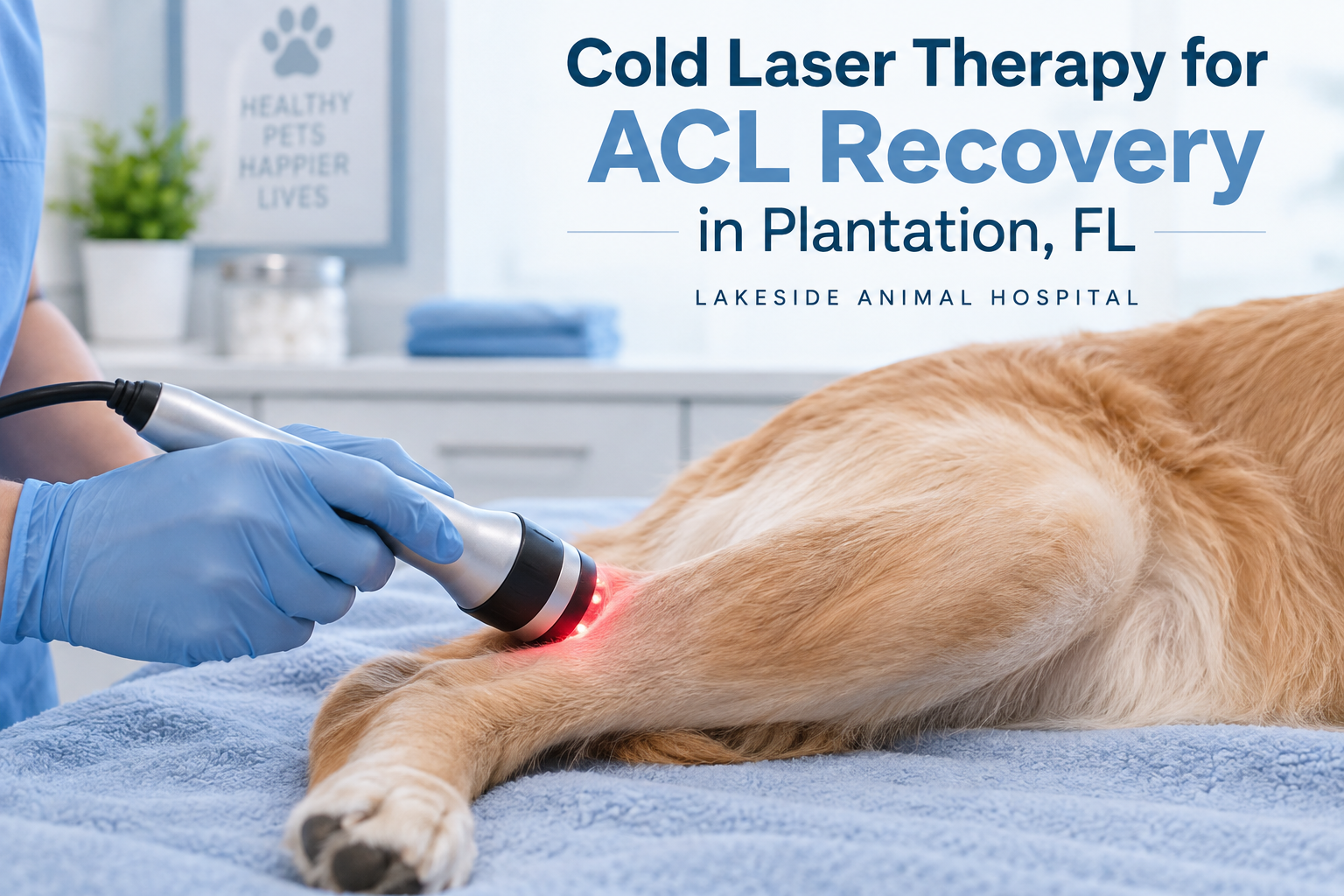
Cold laser therapy device used for dog ACL recovery in Plantation FL
by Dr. Jennifer Frione, DVM • 9 September 2026
How cold laser therapy supports dog ACL and TPLO recovery in Plantation, FL. Learn what to expect from Lakeside Animal Hospital.
Cat with untreated feline stomatitis resting calmly at home
by Alex • 4 September 2026
Left untreated, feline stomatitis can worsen significantly. Learn what happens without extractions and why early treatment matters.
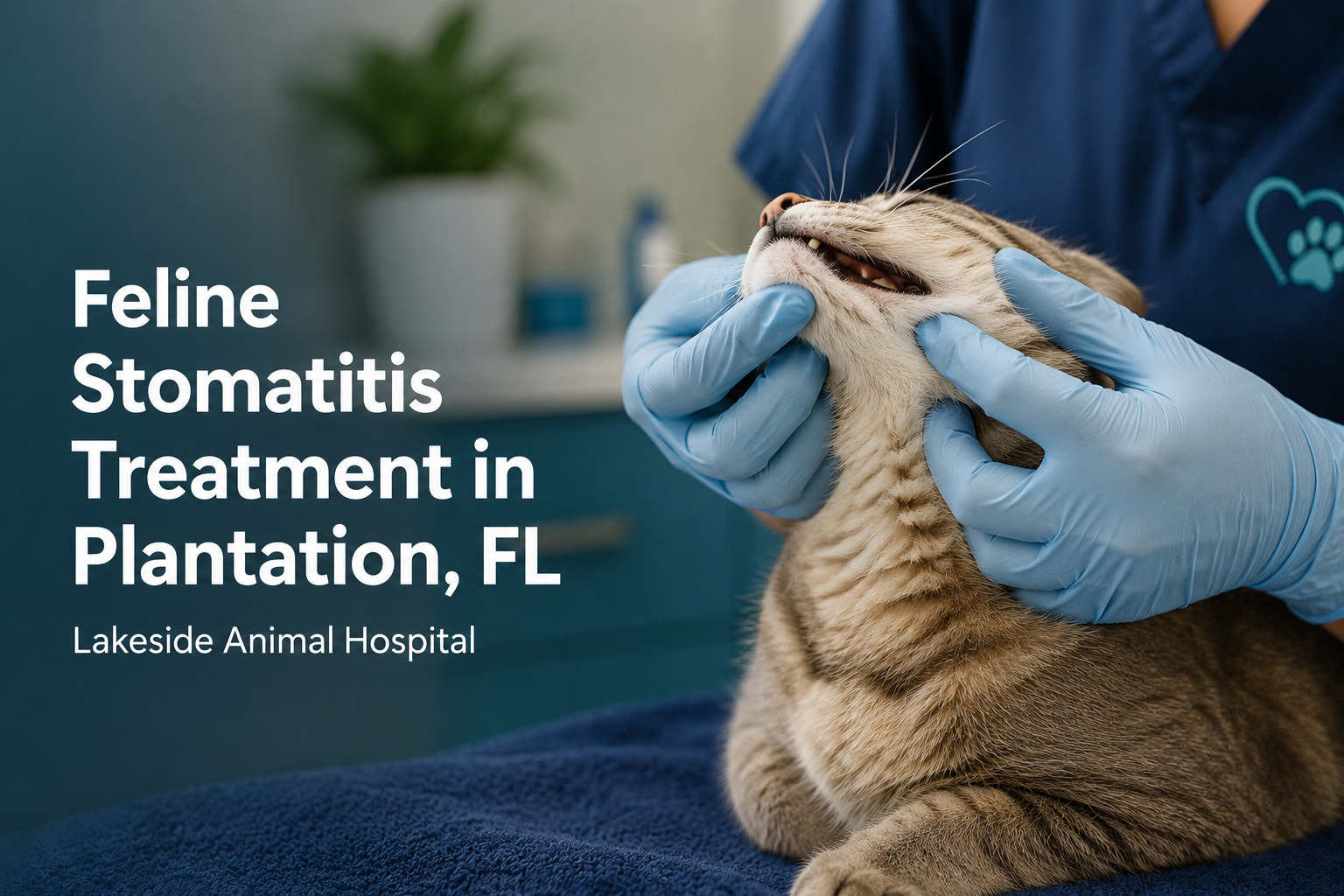
Veterinary team examining cat's mouth for feline stomatitis treatment
by Dr. Jennifer Frione, DVM • 1 September 2026
Learn how feline stomatitis is diagnosed and treated with laser-assisted dental care at Lakeside Animal Hospital in Plantation, FL.
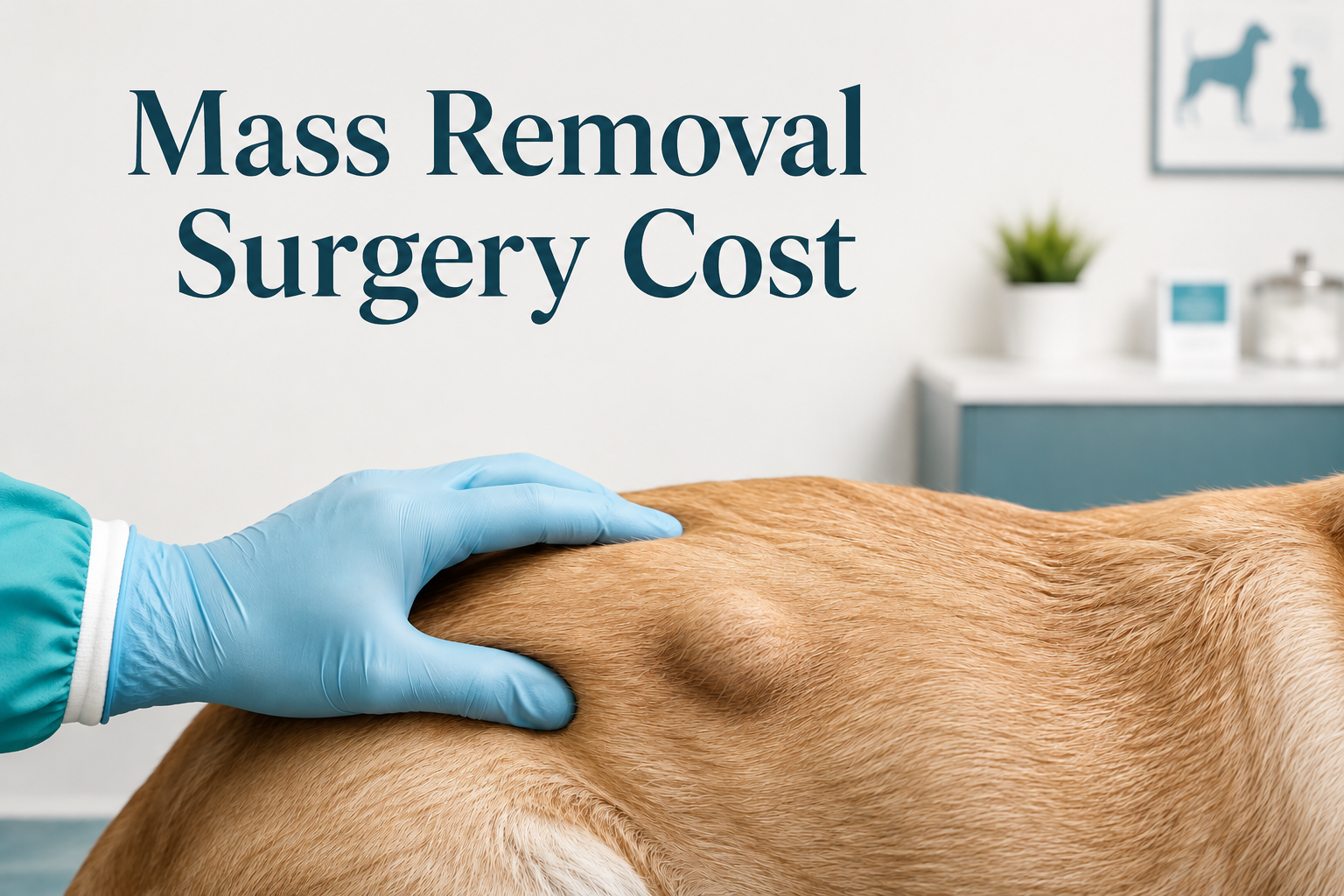
Veterinarian examining dog's skin during mass removal consultation
by Dr. Jennifer Frione, DVM • 28 August 2026
A quick breakdown of what affects dog mass removal surgery cost in Plantation, FL, and what's typically included.
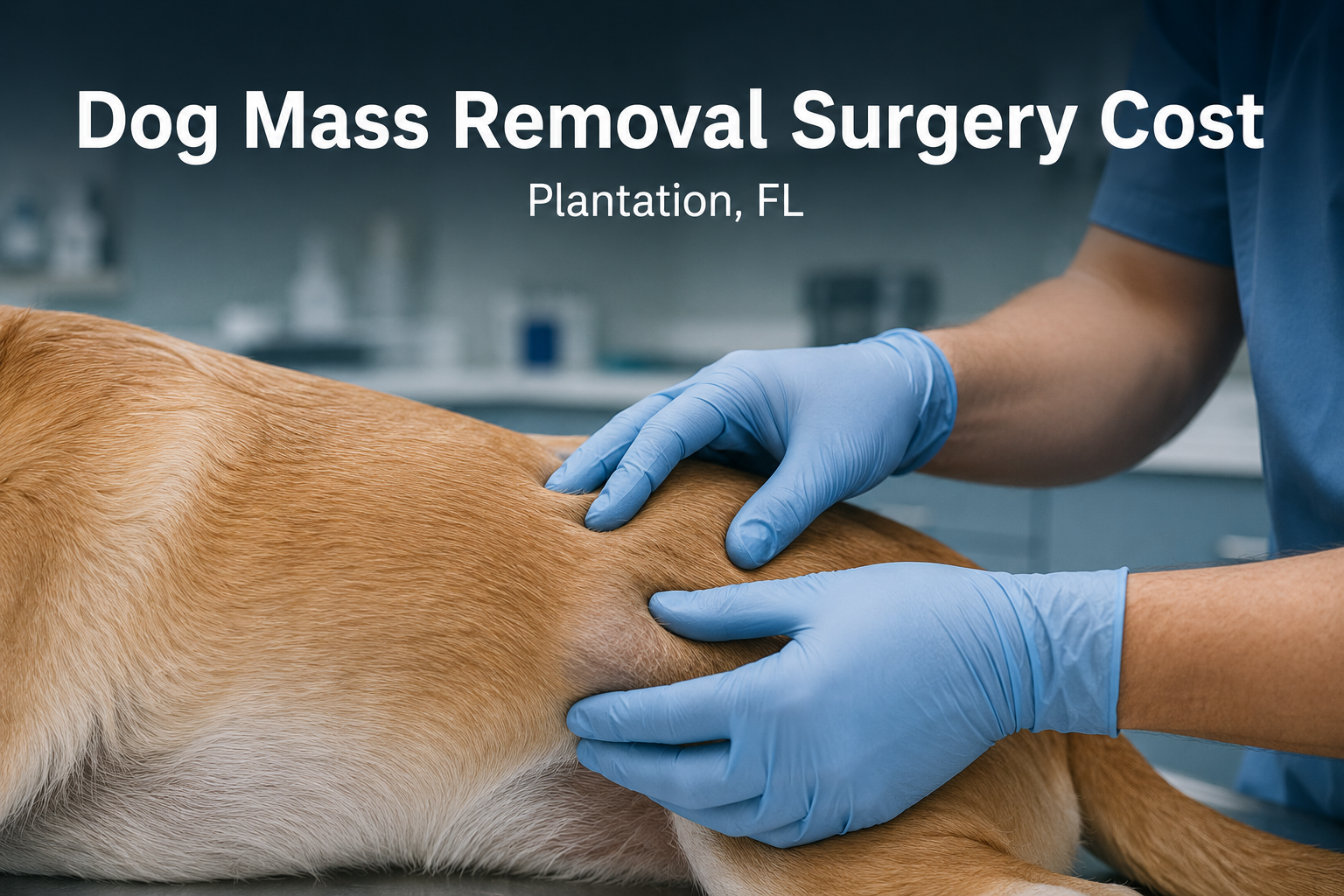
Veterinarian examining a dog's mass during a Plantation clinic visit
by Dr. Jennifer Frione, DVM • 25 August 2026
What does dog mass removal surgery cost in Plantation, FL? Learn the process, pricing factors, and recovery timeline from Lakeside Animal Hospital.